
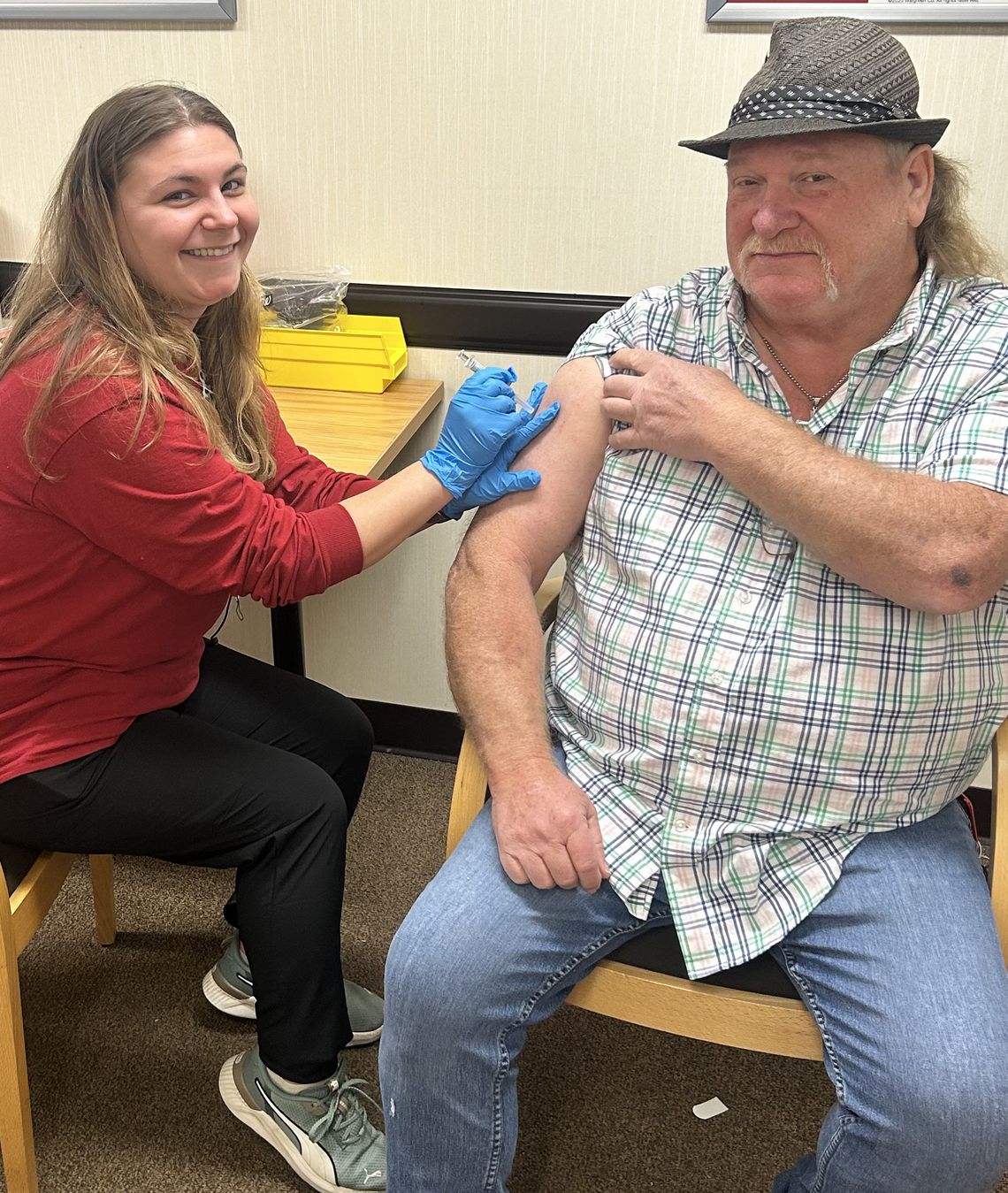
Flu vaccinations are encouraged
Recent flu activity has been both widespread and severe in Georgia. Authorities believe cases are likely to increase following the holidays due to Georgians returning to work and school.
The Centers for Disease Control and Prevention (CDC) projects a severe flu season. Local physician Dr. Brent Waters confirms he is “definitely seeing a lot of flu and flu-like illness with fever, respiratory symptoms and body aches.” Waters also says that school being back in session will likely increase rates of the flu.
If you have not gotten a flu shot yet and have no medical conditions preventing you from doing so, the Department of Public Health strongly urges citizens to take advantage of the health benefits the flu vaccine provides as soon as possible.
The CDC recommends that individuals over the age of six months receive a once-yearly flu vaccine— not just for their own protection, but to protect others around them who may be more vulnerable to the flu, including the elderly and immunocompromised. It takes about two weeks after vaccination for antibodies that protect against flu to develop in the body, so now is the time to get a flu shot.
Citizens may want to consult with a healthcare professional (such as a licensed medical doctor, nurse or other practitioner) if you have questions about the flu shot.
Unfortunately, Dr. Waters says, “The flu vaccine is not as effective as usual this year, but it seems to help people recover more quickly.”
Waters points out even if one still gets the flu, the vaccine can help prevent severe illness, hospitalization and in extreme cases, death. The vaccine is widely available at public health departments, doctors’ offices, grocery stores, neighborhood clinics and pharmacies.
Flu symptoms and severity can vary from person to person and may include fever, cough, sore throat, runny or stuffy nose, body aches, headache, chills and fatigue.
Some people are at higher risk of developing serious complications if they get sick, including people 65 years and older, people of any age with certain chronic medical conditions such as asthma, diabetes or heart disease, children younger than 5 years, especially those younger than 2 years old, and pregnant women. As to when people should seek medical treatment, Waters says, “Higher risk patients should go to the doctor. Healthy people can ride it out. Everyone getting immunized helps the vulnerable.”
Waters also notes that it is taking everyone longer to get over the flu this year and “If it seems to have resolved then starts back again with fever, go see a doctor.”
In some cases, healthcare providers may recommend antiviral drugs to treat the flu. Prescription antiviral medications are most effective when taken within 48 hours of symptom onset.







Comments