
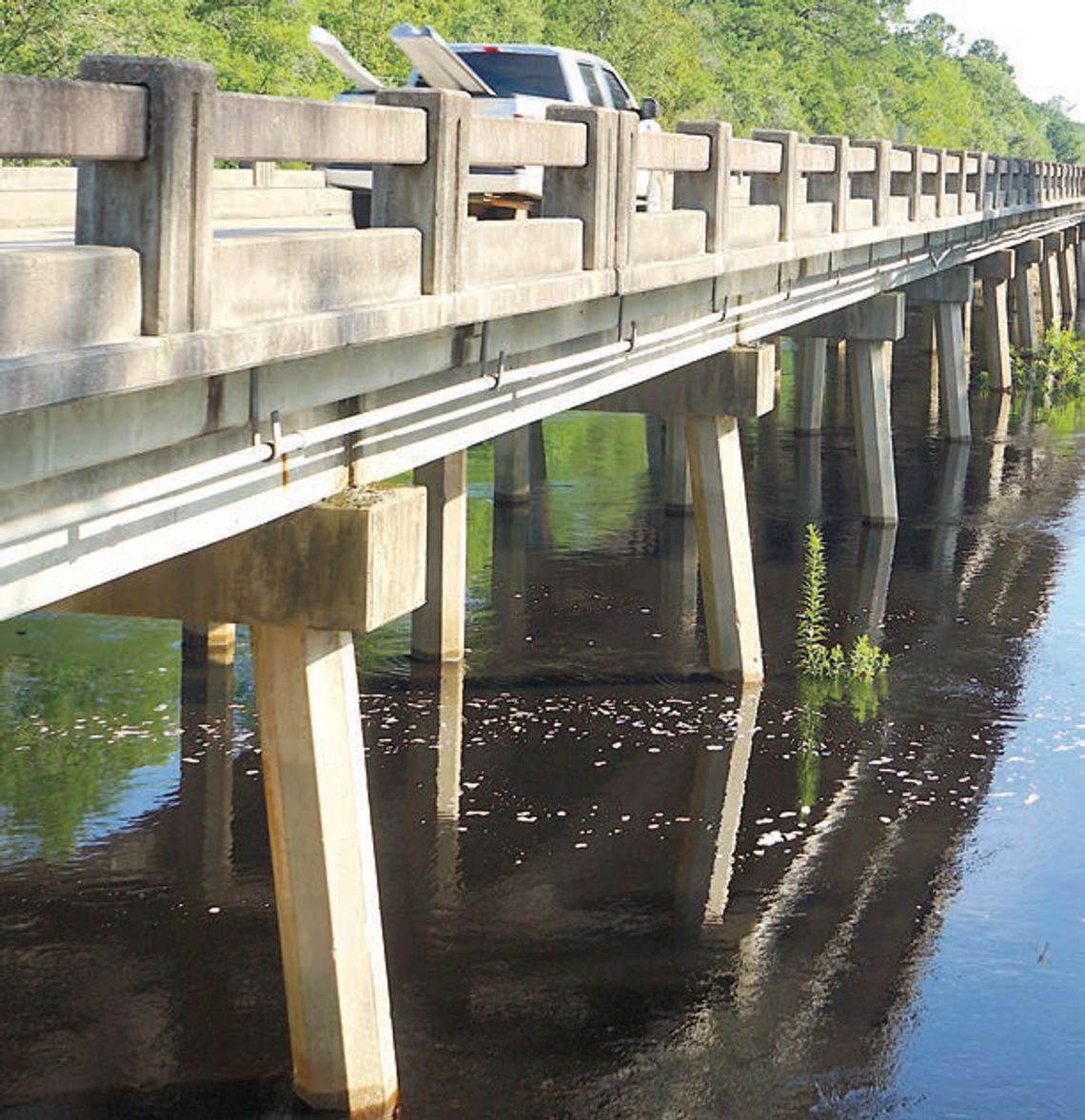
Remnants of Tropical Storm Arthur, the first named cyclone of the 2026 Atlantic Hurricane Season, impacted drought-stricken southeast Georgia.
It did not last long as it moved through the Gulf of Mexico with an ill-defined center and being affected by strong wind shear.
NOAA’s National Weather Service is predicting a below-normal hurricane season for the Atlantic basin this year. NOAA’s outlook for the 2026 Atlantic hurricane season, which runs June 1 to November 30, predicts a 35 percent chance of a near-normal season, a 10% chance of an abovenormal season, and a 55% chance of a below-normal season.
The agency is forecasting a total of 8-14 named storms (winds of 39 mph or higher). Of those, 3-6 are forecast to become hurricanes (winds of 74 mph or higher), including 1-3 major hurricanes (category 3, 4 or 5 with winds of 111 mph or higher).
NOAA has a 70% confidence in these ranges. An average season has 14 named storms with seven hurricanes, including three major hurricanes.
Torrential rain in southeast Georgia began Friday morning, June 19 with many areas in southeast Georgia receiving 12+ inches filling ditches. The storm also had maximum sustained winds of 40 miles per hour.
Total rainfall from January through June is still below the year-to-date average of 23.63 inches, with approximately 22 inches. After receiving just twotenths of an inch in April, May and June combined for 16.05” Brantley County manger Joey Cason stated there were no paved roads at risk from the flooding.
The Satilla River at Atkinson was 16.44 at noon Sunday, June 28. Parts of the Satilla River had fallen below 16 feet after reaching 17.3 feet. The Satilla River flood stage is 17 feet.
In a Friday, June 26 social media post, the Satilla Riverkeeper warned citizens to avoid strong currents and submerged hazards. Residents were also cautioned about how flooding can spread pollution through the watershed.
The Satilla River is expected to drop below 15 feet by today (Wednesday, July 1).





Comments