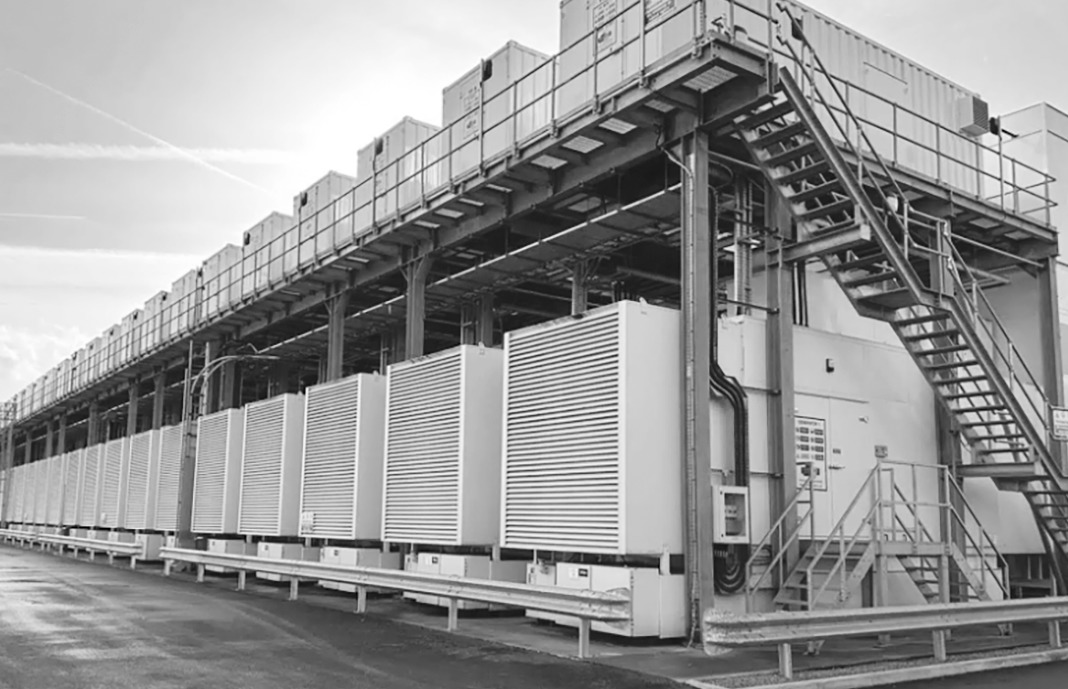
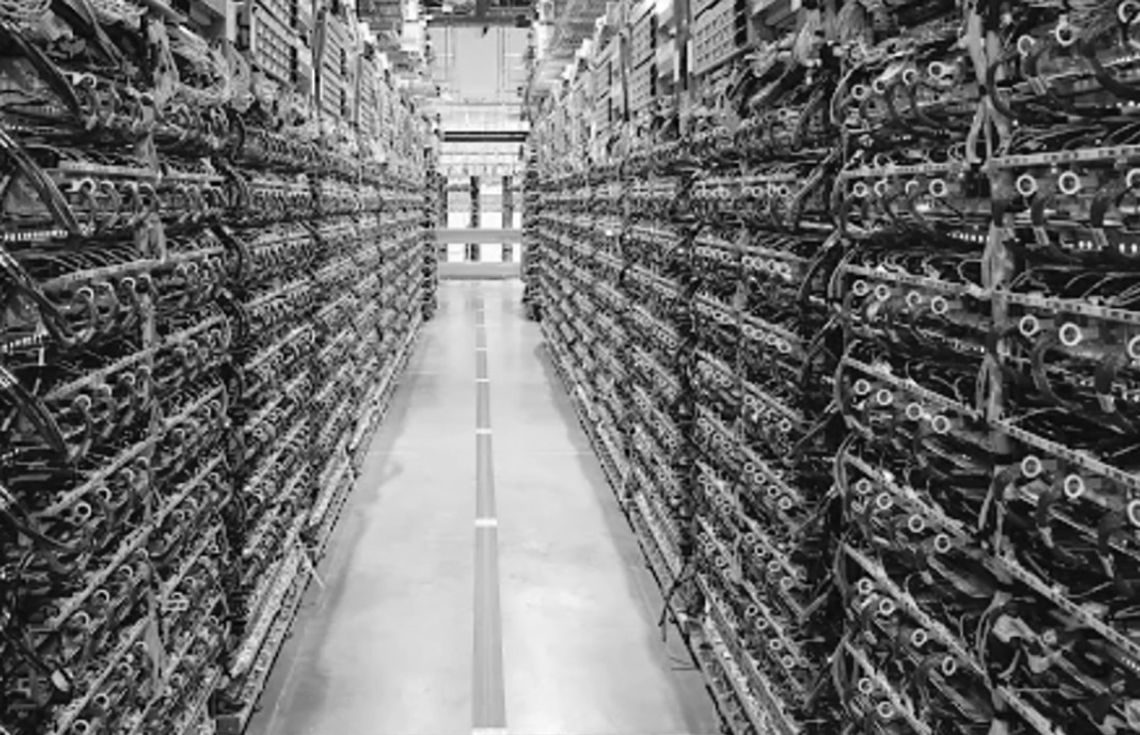
UNDATED — A curious case in Georgia serves as a warning for many parts of the US hastily approving data center developments without first updating their water systems to better monitor for severe upticks in usage.
Politico has reported one of the country’s biggest data center developments had guzzled nearly 30 million gallons of water without paying for it. Even worse, the water grab came at a time when nearby drought-stricken residents were warned to restrict their personal water consumption, and some reported sudden decreases in water pressure.
An investigation conducted by utility officials in Georgia’s Fayette County found Quality Technology Services (QTD) facility had two industrial-scale water hookups which weren’t being monitored.
“One water connection had been installed without the utility’s knowledge, and the other was not linked to the company’s account and therefore wasn’t being billed,” Politico reported.
QTS eventually paid about $150,000 for the water, but there were no consequences for exceeding peak limits established by the county during the data center planning process.
Frustrating residents, the county declined to fine QTS. Fayette County’s water system director, Vanessa Tigert, told Politico the decision was partly because the county blamed itself and didn’t want to offend QTS.
“They’re our largest customer, and we have to be partners,” Tigert said. “It’s called customer service.” Notably, the main reason the water usage was overlooked is the county is transitioning from outdated water meters to a smart, cloud-based system supposedly to make it easier to track leaks and other unexpected drains on the county’s water system.
Tigert also told Politico the county failed to notice the water usage because it’s understaffed, explaining the only worker available to inspect meters is “spread pretty thin.”
Ultimately, the county dismissed QTS’s excess water usage as a “procedural mix-up,” Tigert said, retroactively charging QTS at a higher construction rate for the water, but imposing no penalties for taking more water than the county expected.
Asked for comment, QTS told Ars it’s “false and inaccurate” to suggest the facility “used any water improperly.”
“Once this billing issue was flagged, QTS paid all charges,” QTS said. “All water usage followed relevant and applicable regulations.”
QTS also pointed to statements from county officials denying residents’ claims the facility’s excess water usage had decreased water pressure across the county system. Residents complaining about water pressure relied on wells, the county has said, while QTS does not draw water from wells or groundwater.
Moving forward, the county confirmed that QTS’s water hookups will now be accurately monitored. Additionally, QTS emphasized that after construction, the facility’s water needs will drastically drop.
However, residents are likely still stinging after receiving county notices recommending they restrict their water consumption due to ongoing drought conditions in the area. And some have lost trust in both QTS and the county.
James Clifton, an attorney and property rights advocate who first exposed the QTS controversy after submitting a public records request, told Politico he’s upset that QTS will face no consequences simply because “most months” they’re the county’s “No. 1 customer.”
“The first thing they do is lean on the individuals and the citizens to stop water consumption when we have QTS that’s just absolutely draining us,” Clifton said.
AI industry can’t easily solve water crisis
Increased demand for water to fuel America’s AI ambitions comes just as crumbling water systems across the country require upgrades, and, unsurprisingly, many AI firms expect AI to help address water supply problems in the industry.
However, as hyperscale data centers from tech giants like Meta, Google, and Microsoft perhaps increasingly rely on power for cooling, the demand for water to cool down power plants will explode, experts suggest. And it doesn’t help that 40 percent of data centers and 29 percent of global chip fabs are built in “water-stressed” areas, water technology company Xylem reported.
Over the next 25 years, “AI-associated water use will more than double,” Xylem forecasted.
One solution to make up some of the difference could be to recover about 30 percent of the world’s water that is lost to leaks and theft. That’s why some AI firms, like Microsoft, are paying to install “hightech water leak detection systems” built by FIDO Tech.
In drought-stricken Georgia, QTS claimed it’s also exploring alternative water solutions, such as capturing storm water or roof runoff.
The Environmental Protection Agency (EPA) announced in March an initiative to “focus on… innovative water infrastructure” to strengthen water systems across the U.S., with early efforts focusing particularly on rural areas where budgets might be most stretched.
However, the water sector isn’t completely sure yet how using AI might impact the nation’s systems and is not rushing to implement tech companies’ solutions.
Residents fight to protect water sources
For residents in embattled areas like Fayette County, questions about water remain.
Although QTS plans to use a closed-loop cooling system which does not consume water for cooling when the data center is online, construction, which is draining far more water, is expected to continue for up to five more years, Politico reported.
Additionally concerning to residents, data centers rely on “electricity- hungry equipment” for cooling, which “often entails a trade-off,” Politico noted.
Consumer Reports reached the same conclusion in March, reporting that “generating the electricity to keep data centers powered up requires additional millions of gallons of water, even more than the water used for cooling.”
That’s why communities aren’t satisfied when data centers promise construction-phased water consumption represents temporary peak usage.
In drought-plagued Arizona, a non-profit advocacy group called Ceres estimated data centers around Phoenix “already use approximately 385 million gallons of water per year for direct cooling need,” Consumer Reports noted. Once all that region’s data centers come online, “that amount will skyrocket to 3.7 billion gallons per year,” Ceres forecasted.
In a letter to Congress last month, more than 120 organizations advocating against rushed data center developments warned lawmakers that it’s not enough to focus legislation on addressing spiking electricity bills.
“Water use is equally alarming,” among other harms, groups said.
“In drought-prone regions,” groups explained, data centers consuming up to five million gallons a day strain “drinking water supplies, agriculture, and ecosystems.”
Meanwhile, closed-loop systems “require the use of toxic chemicals that, if not properly disposed of, can eventually flow and pollute water ways.”
To avoid disastrous consequences for the country’s water supply, groups recommended Congress pass laws requiring comprehensive environmental reviews prior to construction. They also want Congress to commit to rejecting “any legislation that would fast-track permitting and development for hyperscale, artificial intelligence, and other conventional data centers” through the end of this legislative session.
Some efforts to protect water resources have had limited success, as backlash has increased to secretive deals that allow data center developments without public notice.
As the war against data centers rages on, the Salt Lake Tribune editorial board published an op-ed, warning officials risk eroding trust the more they shrug off residents’ reasonable concerns about things like water supplies, electric bills, air quality, and quality of life.
“Even if the data center isn’t as dreadful as feared — or if it never is actually built — the stench attached to the rushed and secret political process will take a very long time to dissipate,” the editorial board wrote. “If it ever does.”
Ashley Belanger is a senior policy reporter for Ars Technica, dedicated to tracking social impacts of emerging policies and new technologies. She is a Chicago-based journalist with 20 years of experience.